Table of contents:
Why Silica Manufacturers Are Seeing a Surge in Coil Coating Demand
Silicon Dioxide vs. Organic Matting Agents
Future Trends in Coil Coatings
Coil coatings, frequently used on architectural panels, industrial surfaces, and profiled metal roofs, demand precise control over gloss levels and extended wear resistance. Silica manufacturers, like Xiamen Funuoxin, have stepped up to provide high-performance solutions to meet this need. FNX series silica matting agents, for example, deliver consistent uniformity, high matting efficiency, and durability in demanding environments like those requiring scratch and weather resistance. These coatings are essential for maintaining the aesthetic and structural integrity of metal surfaces over time. The added emphasis on sustainability has also made silica an attractive option, as it supports eco-friendly coil coatings with low-VOC profiles. Engineered silicon dioxide excels at balancing quality and functionality in metal coatings, providing an unmatched foundation for industries looking to refine their processes. This increasing reliance on silica manufacturers highlights their vital role in advancing the standards of modern production and ensuring sustainable, long-lasting solutions.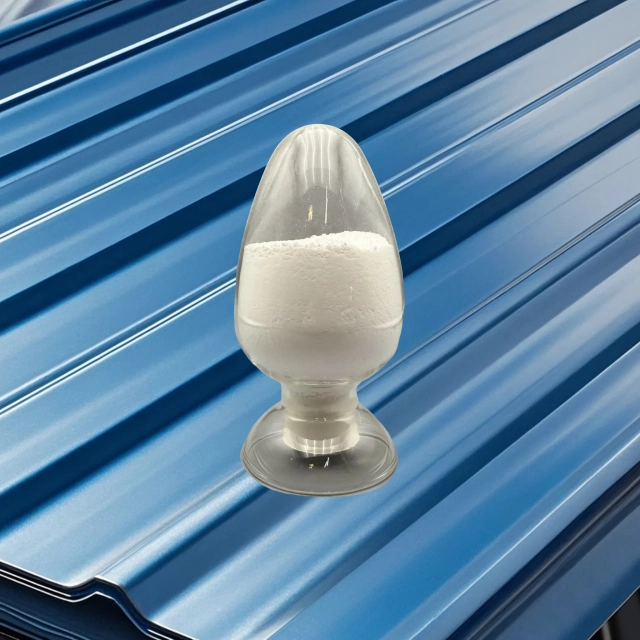
The choice between silicon dioxide and organic matting agents often comes down to performance requirements and application conditions. Silicon dioxide is celebrated for offering excellent matting efficiency, smooth dispersion into formulations, and high surface durability. Products like FNX 1090W demonstrate stable performance across diverse coil coating systems, from solvent-based to waterborne coatings. Organic matting agents, while effective in some scenarios, do not consistently deliver the same level of abrasion resistance or longevity required for industrial applications. Silicon dioxide relies on advanced particle engineering, ensuring greater control of matting outcomes. Additionally, silica-based solutions possess the edge in achieving uniform aesthetics and precise gloss adjustments, which is critical for applications like exterior panels subjected to harsh weather. The choice between these two solutions becomes clearer when evaluating the performance benefits of silica. It serves as the superior option, offering durability and versatility that organic alternatives often struggle to match.
Innovation will remain key in the future of coil coatings. Silica-based products, such as FNX matting agents, are expected to continue playing a pivotal role due to their compatibility with sustainable production goals and superior performance characteristics. Buyers should anticipate commercially viable advancements such as customized silica treatments tailored for niche applications and increased deployment of silica in low-VOC and environmentally friendly formulations. Another trend expected to dominate the market is the integration of advanced technologies in manufacturing. AI and process automation are already helping silicon dioxide suppliers optimize production, reduce waste, and achieve consistent quality at scale. Buyers should also keep an eye on new regulatory requirements emphasizing eco-friendly practices. Producers who prioritize environmentally conscious solutions, like Xiamen Funuoxin, will likely lead the market, meeting growing demand for greener, high-performance products. Additionally, the next 50 years could bring further breakthroughs in material science, enabling even more innovative uses of silica in sustainable coatings while enhancing durability and reducing environmental impact.
The importance of silicon dioxide in enhancing coil coatings will only grow. Buyers seeking long-lasting and high-quality matting agents would do well to consider the benefits of silica-based solutions for their applications. Silicon dioxide has cemented its place as a material of choice in coil coatings, where performance, sustainability, and versatility matter most. The offerings from leading silica manufacturers are paving the way for advanced solutions in the global industrial coatings industry.


